Perception & VLA Autonomous Vehicles
Voxel51 is the unified platform for time-series multimodal data. Bring visualization, best-in-class curation, and annotation together to power your AV data flywheel and ship safer perception and VLA models.

Benefits
Why AV teams choose Voxel51
Voxel51 lets you manage perception, VLA, and end-to-end models from the same unified data platform.
Mine the long tail without drowning in fleet data
Rare scenarios — occluded pedestrians, unprotected left turns, construction zones, sensor glare — are where driving policies need the most coverage. Voxel51 finds these edge cases across petabyte-scale fleet logs using embeddings and natural language search.
Triage failures and debug model behavior in seconds
Sensor and telemetry data is easy to log and hard to understand — a bug can be buried in any one of a dozen unsynchronized streams. Voxel51 plays back camera, LiDAR, radar, vehicle telemetry, and annotations on a single synchronized timeline, so you can see exactly what the vehicle saw and did at any moment.
Turn disengagements and near-misses into targeted training data
Every disengagement is a data point about where the model's understanding breaks down. Voxel51 clusters similar failure cases across trajectories and sensor streams, so you can curate targeted data for the next model or policy checkpoint instead of re-collecting redundant logs.
Customers
Teams building with Voxel51
Volkswagen's Physical AI Data Flywheel: Built with Voxel51, NVIDIA, and Microsoft Azure Integrations
Connecting fleet data to simulation, training, and evaluation.




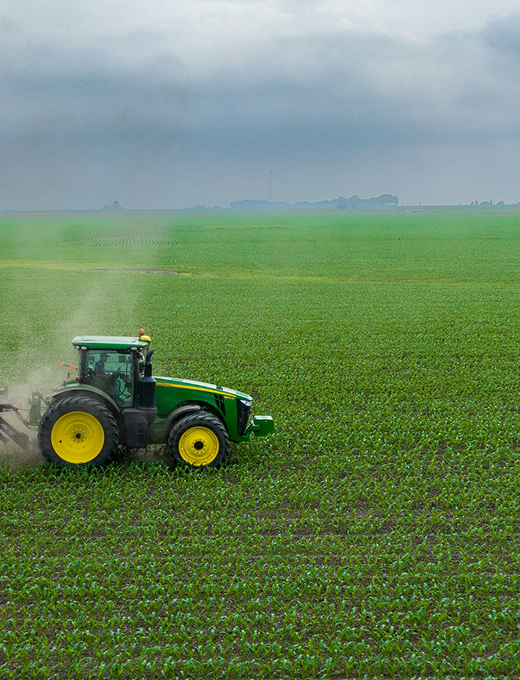
Maintained 99% fall detection rates for model performance.

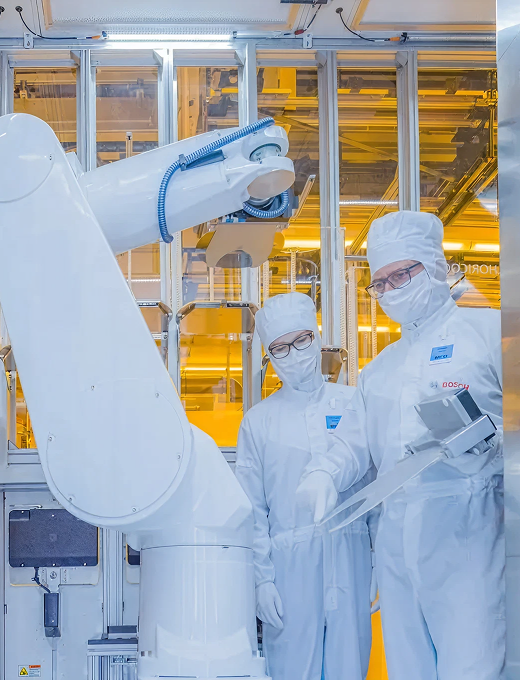








Sped up investigations of robotic arms by 3x.






Maintained 99% fall detection rates for model performance.
Sped up investigations of robotic arms by 3x.
Voxel51 Features
Get native support for time-series multimodal data
Query massive datasets by metadata, temporal events, and annotation labels.
Compute and visualize embeddings across sensor data to find visually similar samples beyond keyword label matches.
Tag arbitrary time intervals to curate data for investigation.
Camera streams, LiDAR point clouds, and numeric sensors play back in sync on a single, shared timeline.
Labels exist as tracks over time. Scrub the timeline to see exactly when an object appears or an event occurs across the full scene.
Voxel51 Physical AI Workbench
Build neural reconstructions on a foundation of high-quality data
With Voxel51, generate accurate and validated sim-ready datasets that power neural reconstruction and synthetic data generation, so every compute dollar yields usable results.
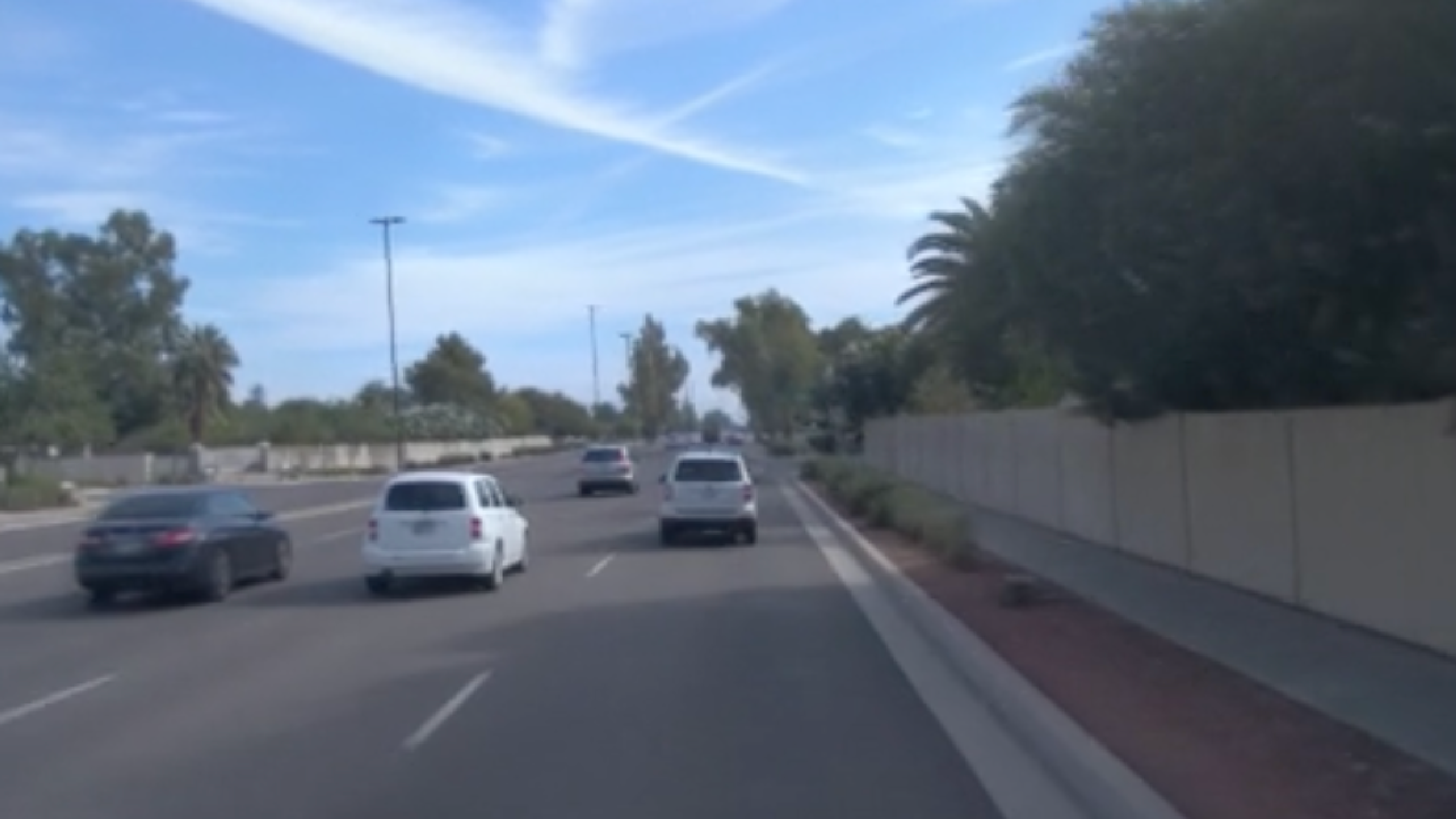
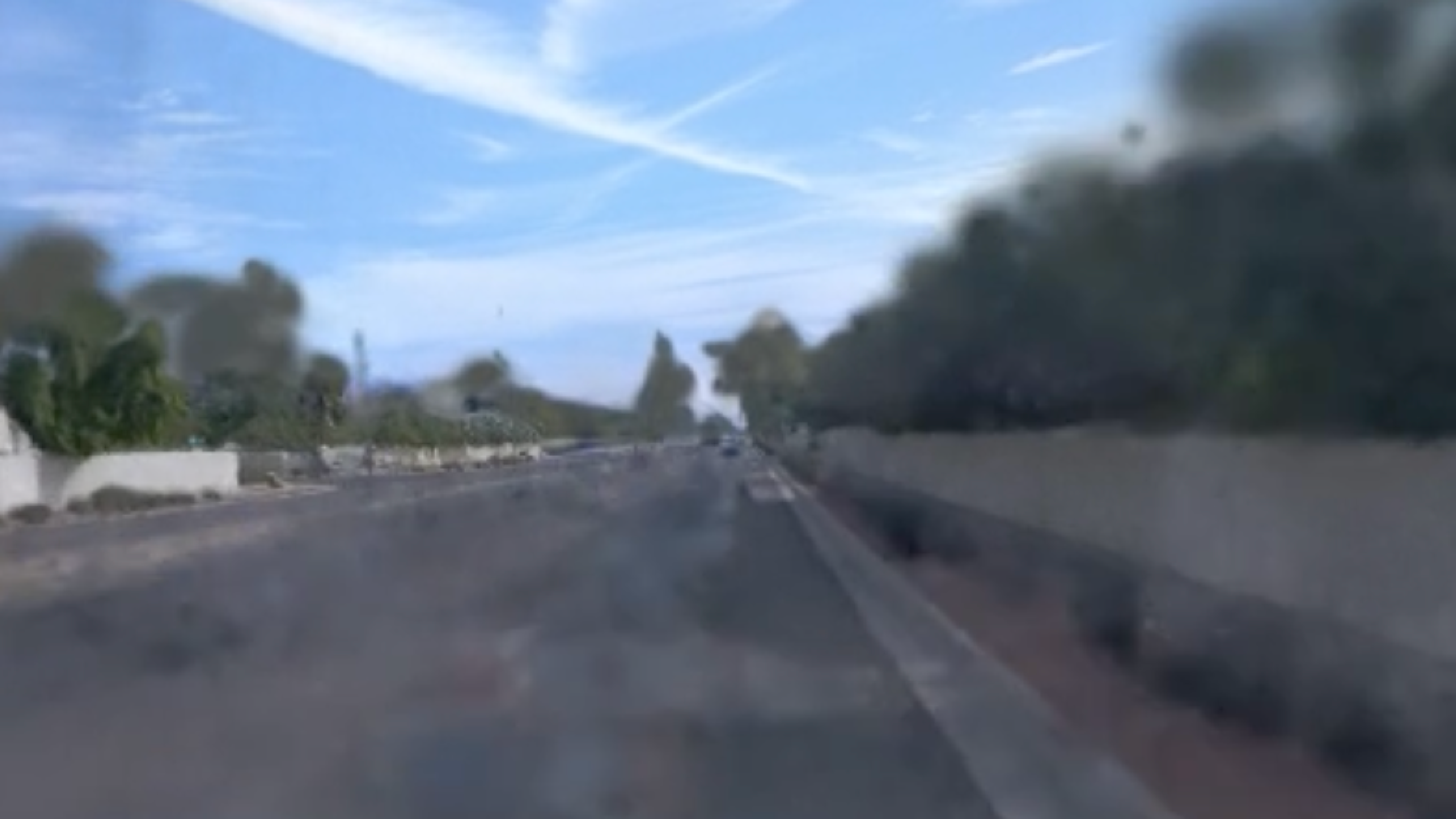
Good neural reconstruction of vehicles on a road
Poor quality neural reconstruction of vehicles on a road.
AV model development
Voxel51 supports the full autonomous vehicle data lifecycle
From ADAS to self-driving, data quality makes or breaks AI model performance. Voxel51 helps you curate high-quality datasets, turning R&D into real-world autonomous driving performance.

- Multi-camera, LiDAR, and radar sensor fusion
- 3D point cloud analysis
- Perception
- Object detection & classification
- Semantic & instance segmentation
- End-to-end policies & VLA models
- Closed-loop policy debugging
- Scenario mining for rare and safety-critical events
- Autonomous navigation
- Lane & traffic-sign detection
“From vehicle safety and autonomy to security systems to robotics, Bosch is a leader in artificial intelligence solutions utilizing computer vision. Voxel51’s solutions help us organize, evaluate and refine our data and models, enabling us to develop robust, reliable AI applications across multiple teams and projects. ”
Arvind Kumar Shekar
Lead Expert AI Validation, Bosch
Voxel51 for VLA development: visualize, query, and curate multimodal data
See why end-to-end and VLA models make data the key to debugging AV behavior, why data curation is the real bottleneck at fleet scale, and how Voxel51 unifies visualization, curation, and annotation into a single data flywheel.

Questions about autonomous vehicle data
An autonomous vehicle data platform is software for visualizing, searching, curating, and annotating the multimodal data AV teams record, such as camera video, LiDAR, radar, and vehicle telemetry. Voxel51 is a physical AI data platform that plays these streams back on one synchronized timeline and turns fleet logs into training, simulation, and evaluation sets. The autonomous vehicle data guide covers how AV data is collected and used.
AV teams find rare scenarios, such as occluded pedestrians, unprotected left turns, construction zones, and sensor glare, by searching fleet logs by what they contain instead of by file or field. Voxel51 indexes the data with embeddings, so a team can describe a scenario in natural language or start from one example and retrieve similar moments across the fleet.
Yes. Voxel51 plays back camera, LiDAR, radar, vehicle telemetry, and annotations on a single synchronized timeline, so engineers can see what the vehicle saw and did at any moment of a drive.
Treat each disengagement or near-miss as a data point about where the model breaks down. Voxel51 clusters similar failure cases across trajectories and sensor streams, so teams can curate targeted data for the next perception model or VLA checkpoint instead of re-collecting redundant logs.
Porsche, Volkswagen Group brands, and CARIAD are building a shared AV data flywheel with NVIDIA, Microsoft, and Voxel51. Voxel51 provides the data layer: multimodal search and retrieval, automated labeling, scenario-based curation, dataset balancing, training data selection, and model validation. Read about Volkswagen Group's physical AI data flywheel.
Yes. The free tier of Voxel51 includes driving demo datasets, such as L2D and PandaSet, with synchronized cameras, LiDAR, and vehicle signals. Sign up with a work or .edu email and explore the L2D demo.