Voxel51 Robotics
Voxel51 makes multimodal time-series data searchable and actionable, with native support for MCAP and LeRobot. Get a unified data platform with synchronized playback, best-in-class curation, and annotation for physical AI.
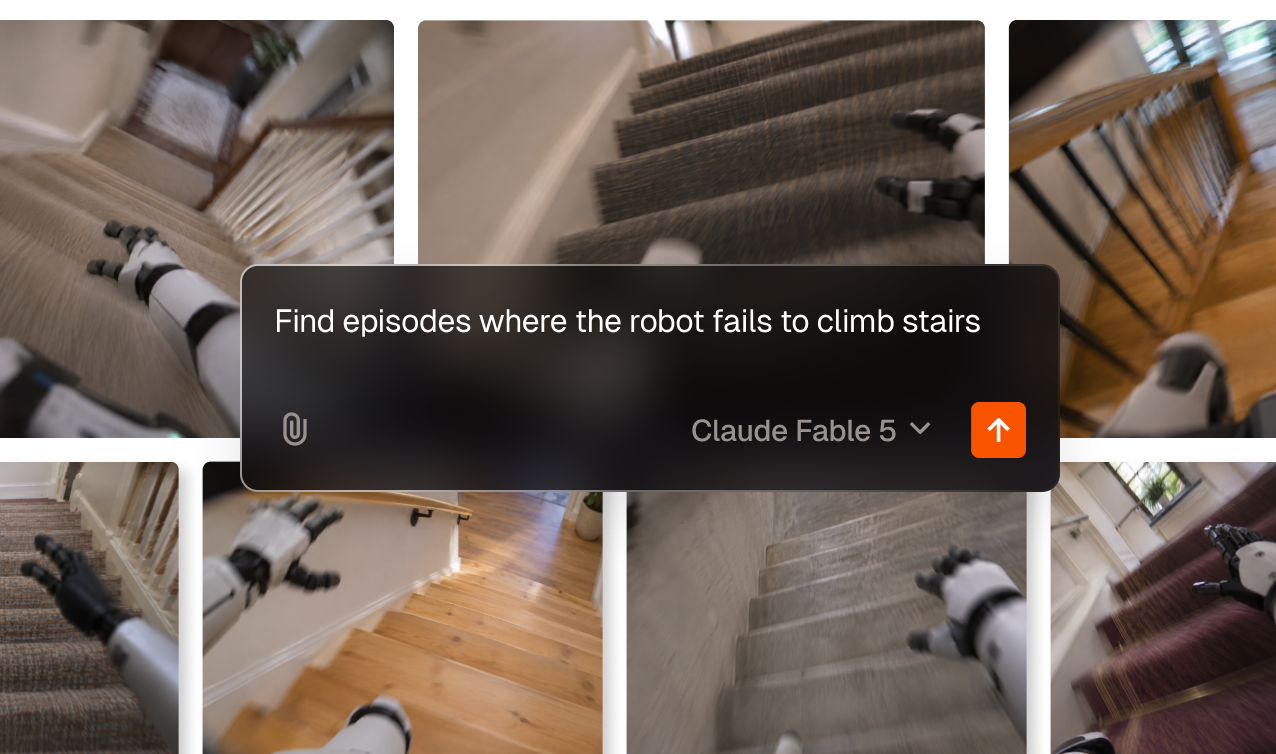
Search across every episode.
Voxel51 indexes multimodal data for semantic and metadata search, so you can surface missed grasps, failed recoveries, and similar edge cases across your dataset.
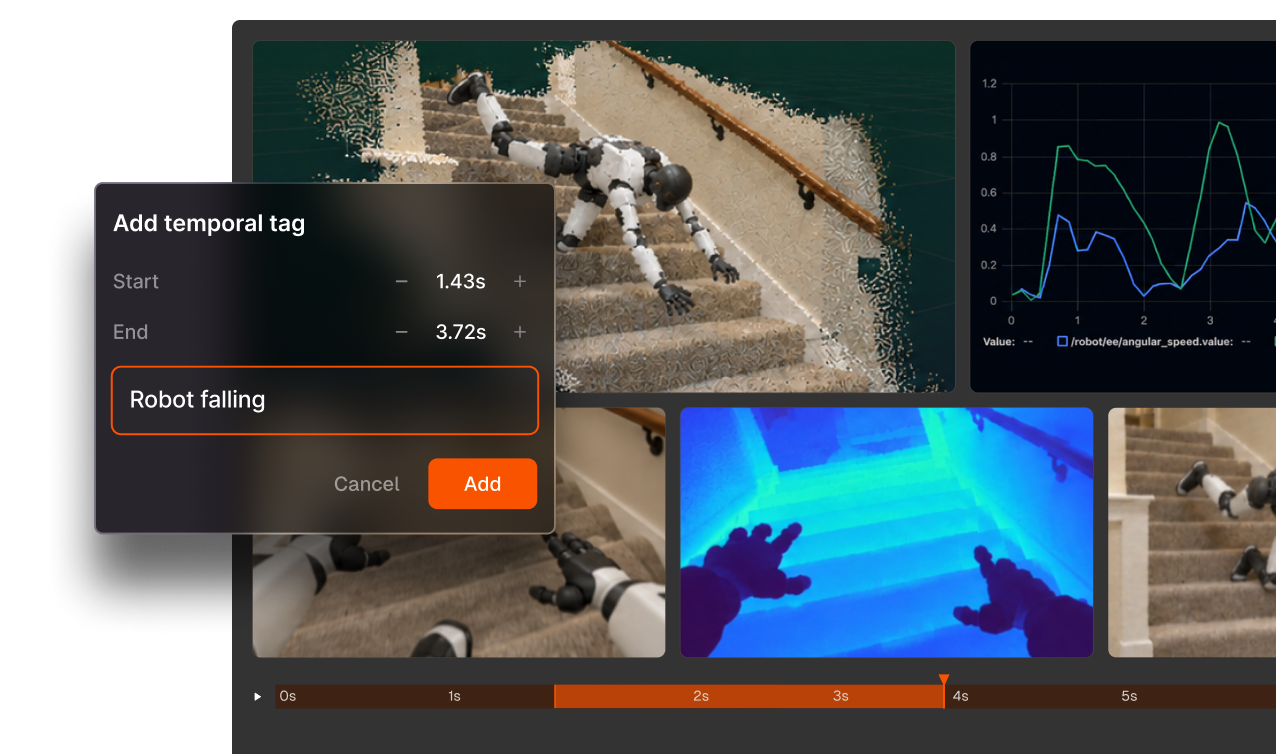
Replay every sensor in sync.
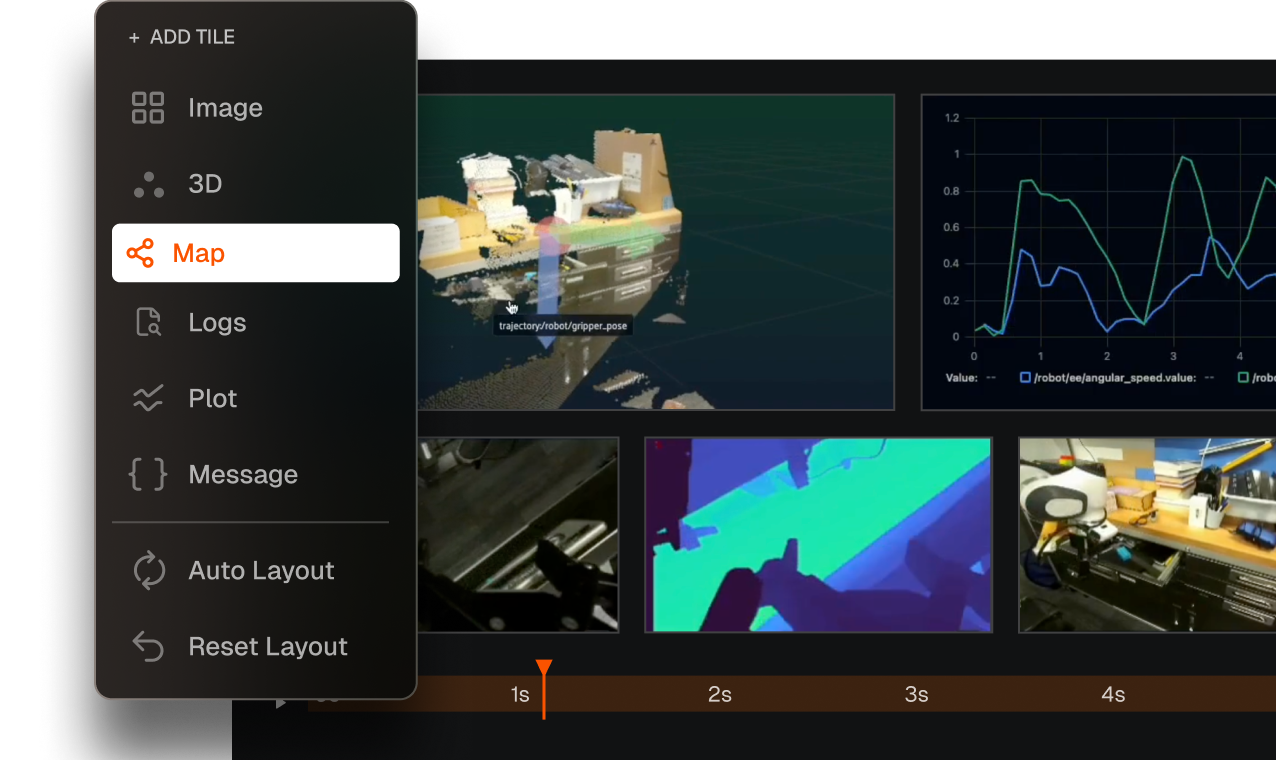
Understand what happened before, during, and after a failure. Voxel51 brings camera feeds, LiDAR, sensor streams, and robot state into synchronized playback, so you can inspect robot behavior with full temporal context.
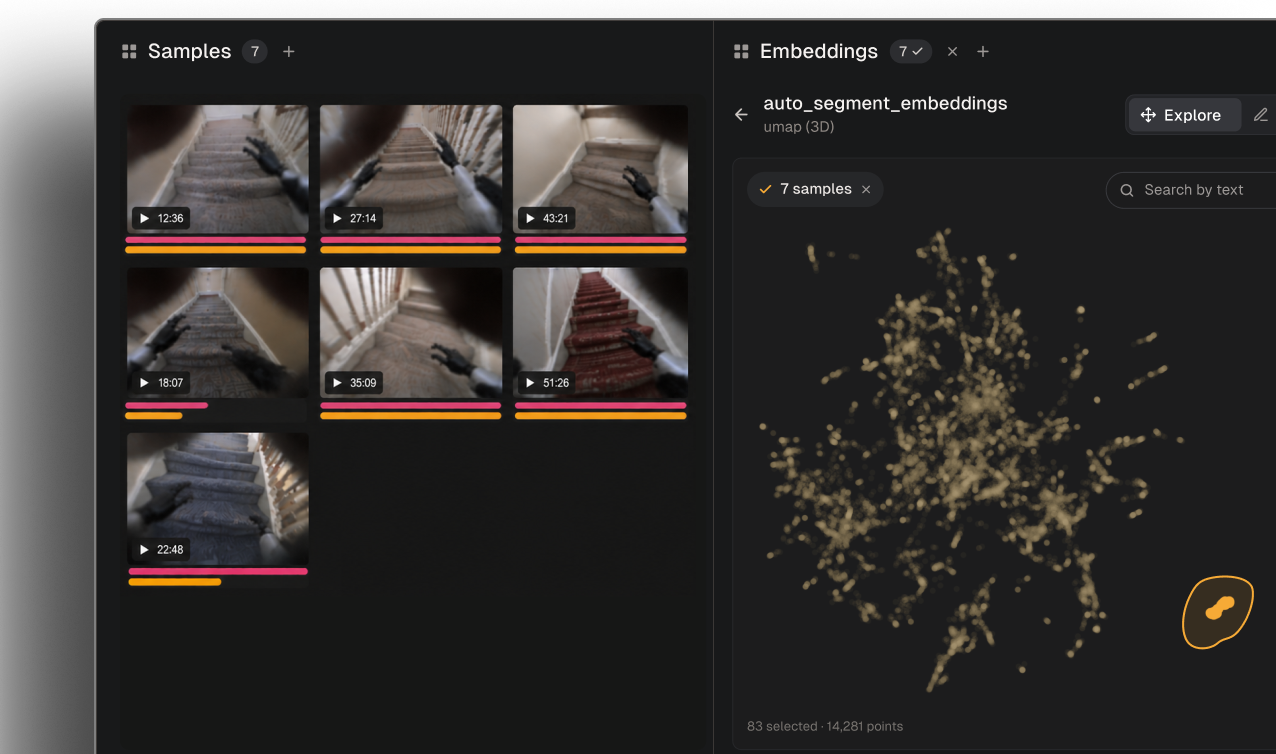
Find similar long-tails that matter.
Curate the most valuable episodes, surface edge case scenarios, and prioritize the data your robot needs to learn from.
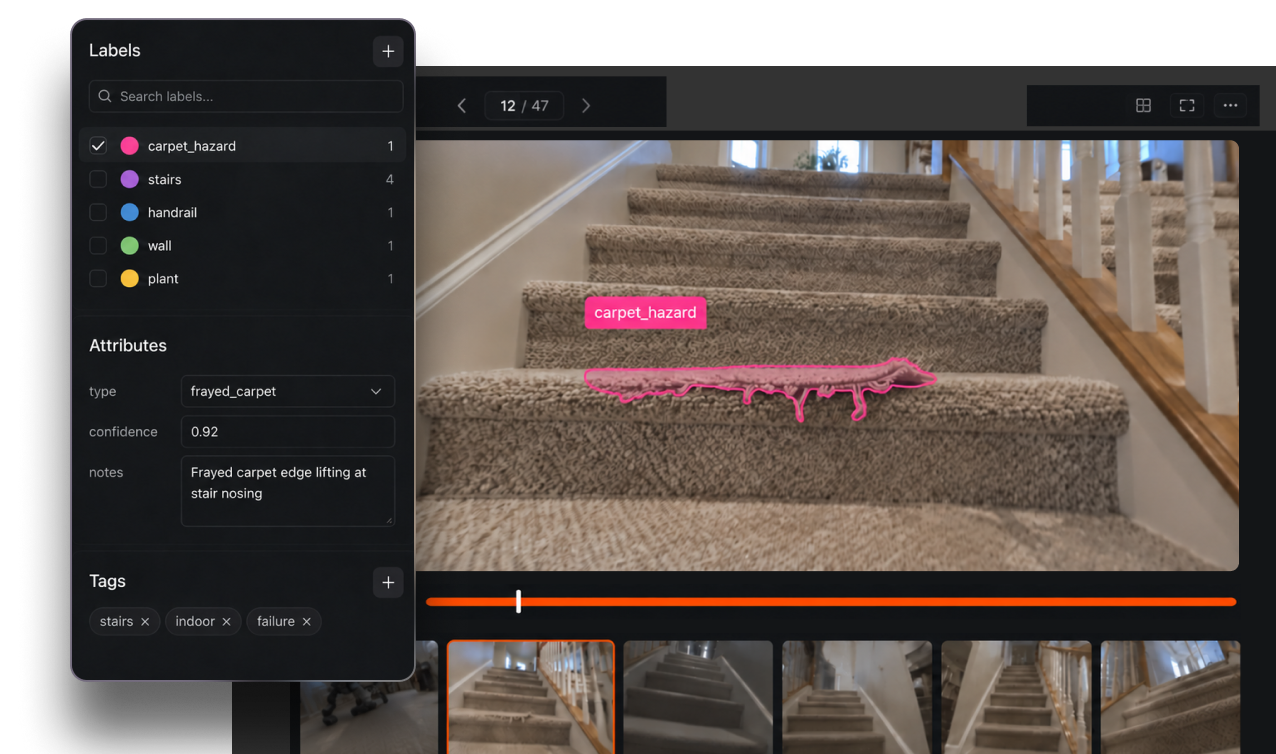
Turn robot failures into better training data.
See where your next policy improves and where failures persist. Voxel51 connects evaluation, visualization, and curation into a data flywheel, turning insights from every robot run into better data for the next training run.
Voxel51 Features
Native support for time-series multimodal data
Voxel51 natively reads MCAP recordings and Hugging Face LeRobot datasets, so robot logs and teleoperation demonstrations land in one place.
Query massive datasets by metadata, temporal events, and annotation labels.
Compute and visualize embeddings across sensor data to find visually similar samples beyond keyword label matches.
Tag arbitrary time intervals to curate data for investigation.
Camera streams, LiDAR point clouds, and numeric sensors play back in sync on a single, shared timeline.
Labels exist as tracks over time. Scrub the timeline to see exactly when an object appears or an event occurs across the full scene.
- Manipulation & grasping
- Humanoid & bimanual control
- Teleoperation data curation
- Cross-embodiment generalization
- Vision-language-action (VLA) models
- Object detection & recognition
- Visual inspection & quality control
- Autonomous navigation
Voxel51 for robotics
Why robotics teams build their VLA data workflow on Voxel51
Improve VLA generalization with less data
Robotics data is slow and expensive to collect, so maximizing the value of every demonstration is critical. Instead of burning budget on massive, redundant datasets, Voxel51 isolates the high-value, diverse demonstrations your VLA needs to generalize better.
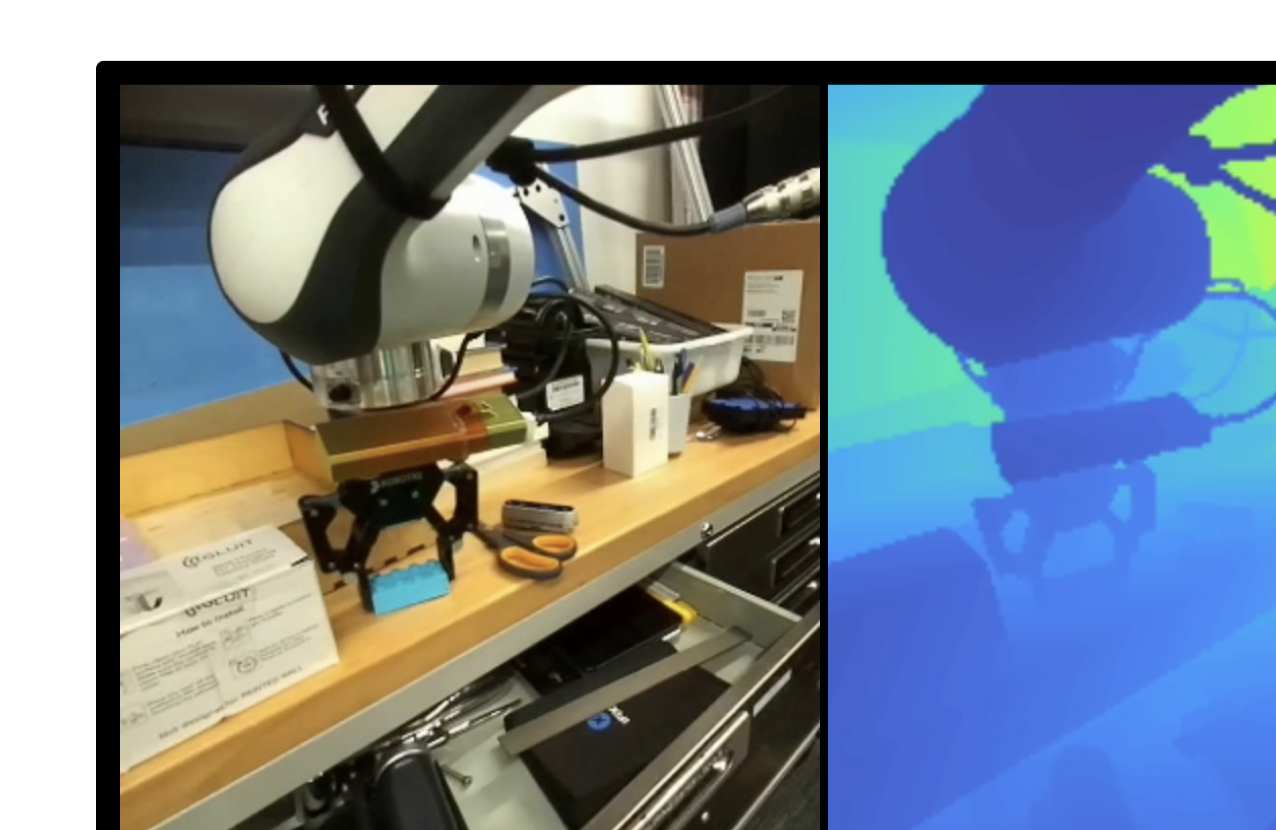
Visualize robot behavior across every sensor stream
Voxel51 natively supports MCAP and LeRobot so that you can visualize time-series multimodal data across cameras, LiDAR, actions, and telemetry.
Production Ready
Enterprise-grade physical AI data platform
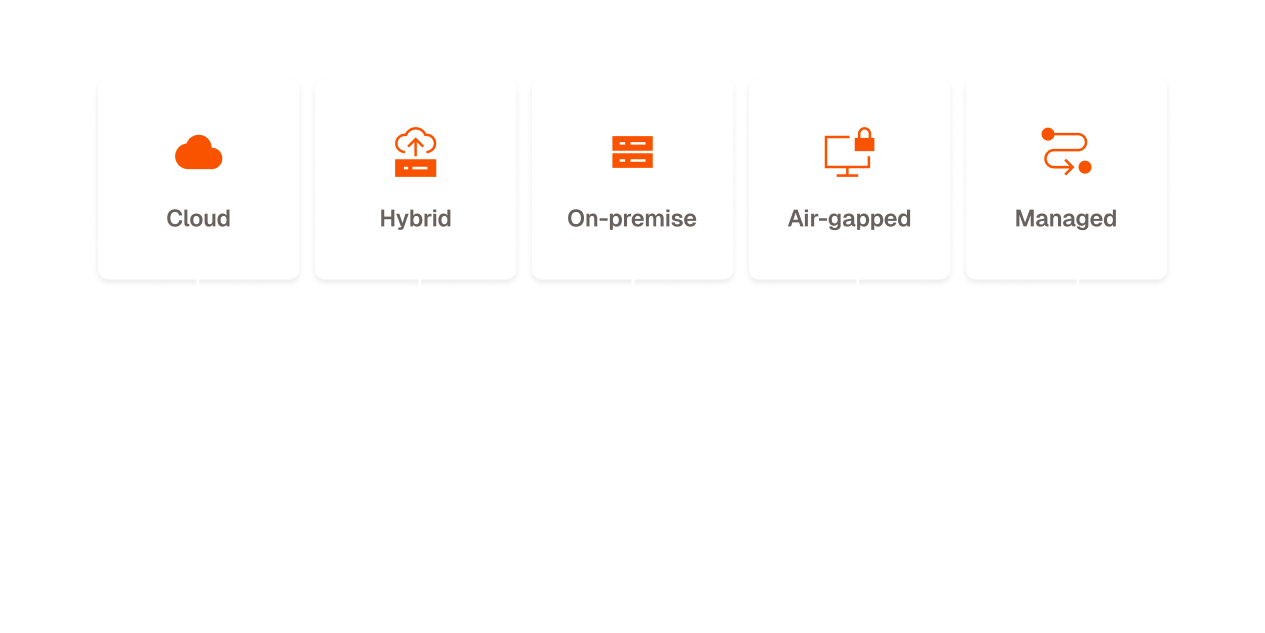
Deploy in your own VPC or on-premise, with role-based access control, and team collaboration for enterprise data governance.
Deploy anywhere
Fully customizable and extensible
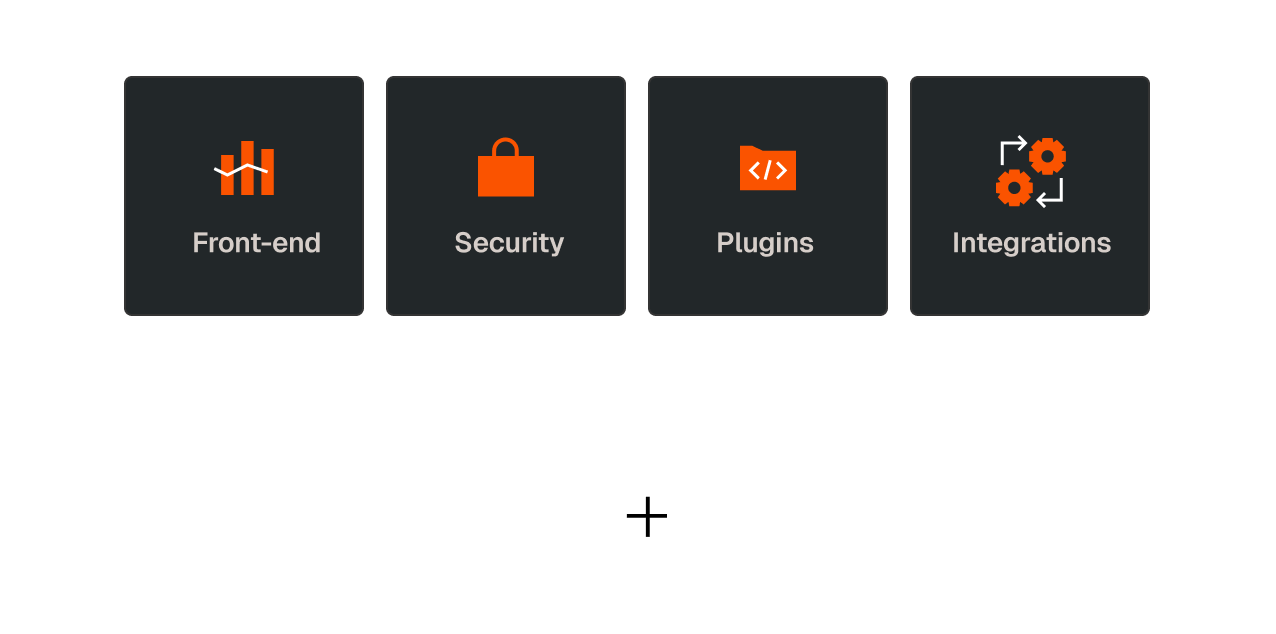
Supports billions of samples
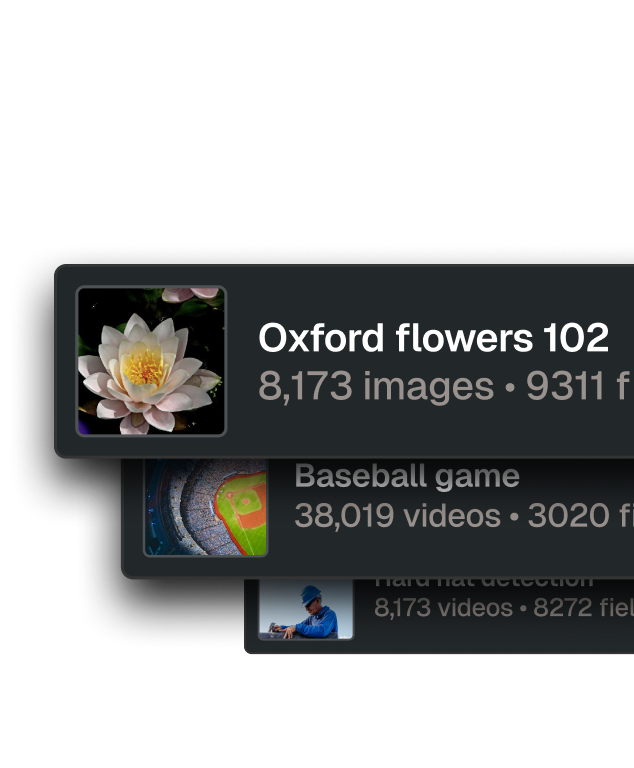
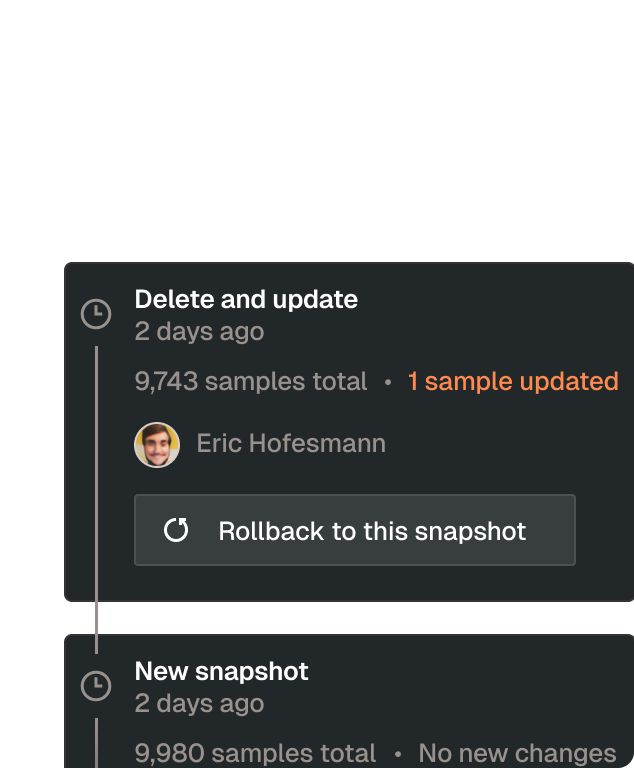
Dataset versioning
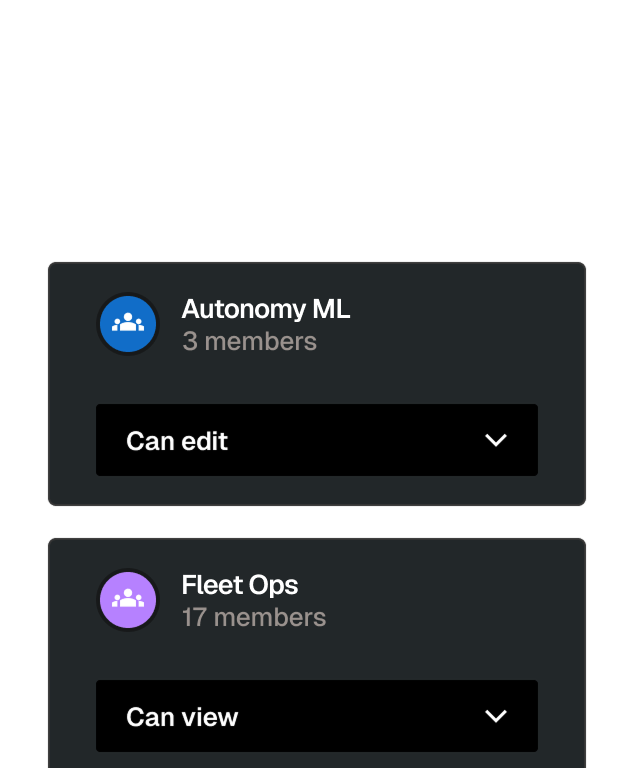
Role-based access controls
Integrations
Questions?
We have answers.
Yes, Voxel51 supports multimodal data. Voxel51 is a unified data platform for physical AI that brings visualization, curation, and annotation of multimodal, time-series data into one place. Teams inspect synchronized camera, LiDAR, sensor, and robot state data, then search and curate it at scale to build better datasets for autonomous vehicles and robotics.
Voxel51 natively ingests LeRobot and MCAP, the default recording format for ROS 2, and works with data converted from rosbag. You can also bring your own extracted frames and post-processed sensor data.
Camera streams, LiDAR point clouds, and numeric time-series sensors like IMU, acceleration, and CAN bus signals, along with robot state, all play back in sync on a single shared timeline. Every modality stays aligned, so you can inspect a complete episode in context rather than one sensor at a time.
Yes. You can tag arbitrary time intervals to curate segments for investigation, work with 2D bounding box and 3D cuboid labels at the message level, and view labels as tracks over time. Label tracks show exactly when an object appears or an event occurs across a full scene.
Our robotics data tools guide compares the main options by job, from logging and replay to search, curation, labeling, and model evaluation. It also covers the robot data formats each tool reads and exports, and the free option each one offers.