Voxel51 Multimodal
Voxel51 makes multimodal time-series data searchable and actionable. Get a unified data platform with synchronized playback, best-in-class curation, and annotation for physical AI.
Search every instance of failure using natural language.
Play back camera streams, LiDAR point clouds, and numeric sensors in sync on a single shared timeline to trace a failure to its root cause.
Curate similar edge cases using segment-level embeddings to find visually similar samples beyond keyword label matches.
Build a stronger training dataset and retrain your robot.


1. Search
Query multimodal data at scale
Visualization tools make it easy to inspect a single robot failure. Identifying whether that same failure mode is hiding across your dataset is harder.
Voxel51 automatically indexes multimodal data, so you can query by visual and semantic similarity to isolate similar edge cases across your entire dataset.
2. Visualize & investigate
Visualize physical AI data with synchronized playback
Modern physical AI systems generate synchronized camera, LiDAR, sensor, and robot state data that is difficult to inspect in context.
Voxel51 synchronizes every modality into a single playback experience, making it easy to understand model behavior with full temporal context.
3. Curate
Find the hidden long-tails inside the recording
A single episode contains multiple actions, transitions, and failures.
Voxel51 computes segment-level embeddings within sensor streams, so find the exact grasp, failure, interaction, or behavior across hours of recordings—and jump directly to where it happened.
4. Refine E2E
Turn physical AI development into a data flywheel
Working with time-series multimodal data is complex. Siloed tools mean fragile scripts, data integrity risks, and wasted training runs.
Voxel51 unifies visualization, curation, and annotation into a data flywheel that turns every model failure into a better dataset.

Understand model behavior
Inspect synchronized camera, LiDAR, sensor, and robot state streams in a single sensor-fused timeline to understand model behavior with full scene context.
Find similar episodes
Search across entire datasets to discover recurring behaviors, edge cases, and missing data coverage. Query using natural language, embeddings, or semantic similarity.
Improve the dataset
Annotate, tag, and curate the highest-value demonstrations to continuously improve VLA generalization. Get a unified physical AI data platform for visualization, curation, and annotation.
VLAs for Robotics & AV
Multimodal data curation across the VLA lifecycle
Improve VLA generalization with less data
Robotics data is slow and expensive to collect, so maximizing the value of every demonstration is critical. Instead of burning budget on massive, redundant datasets, Voxel51 isolates the high-value, diverse demonstrations your VLA needs to generalize better.
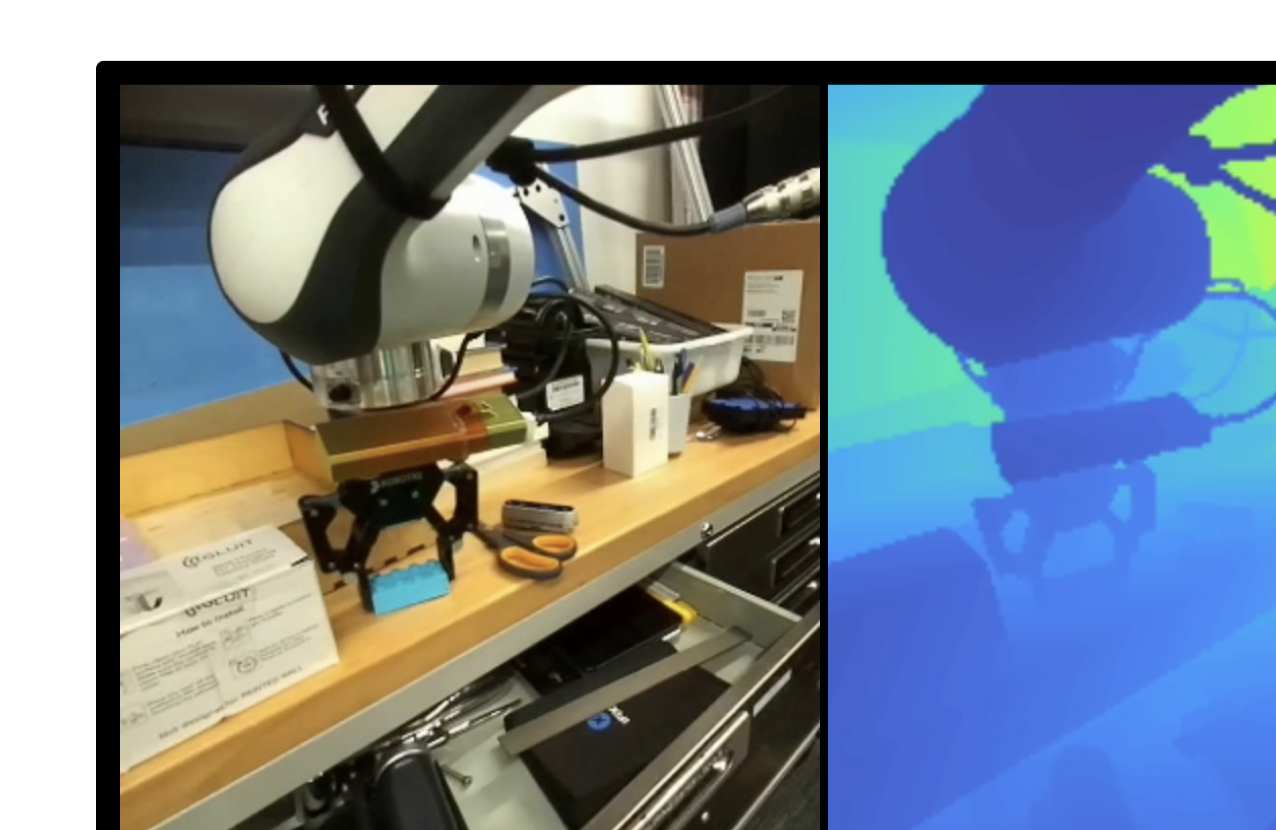
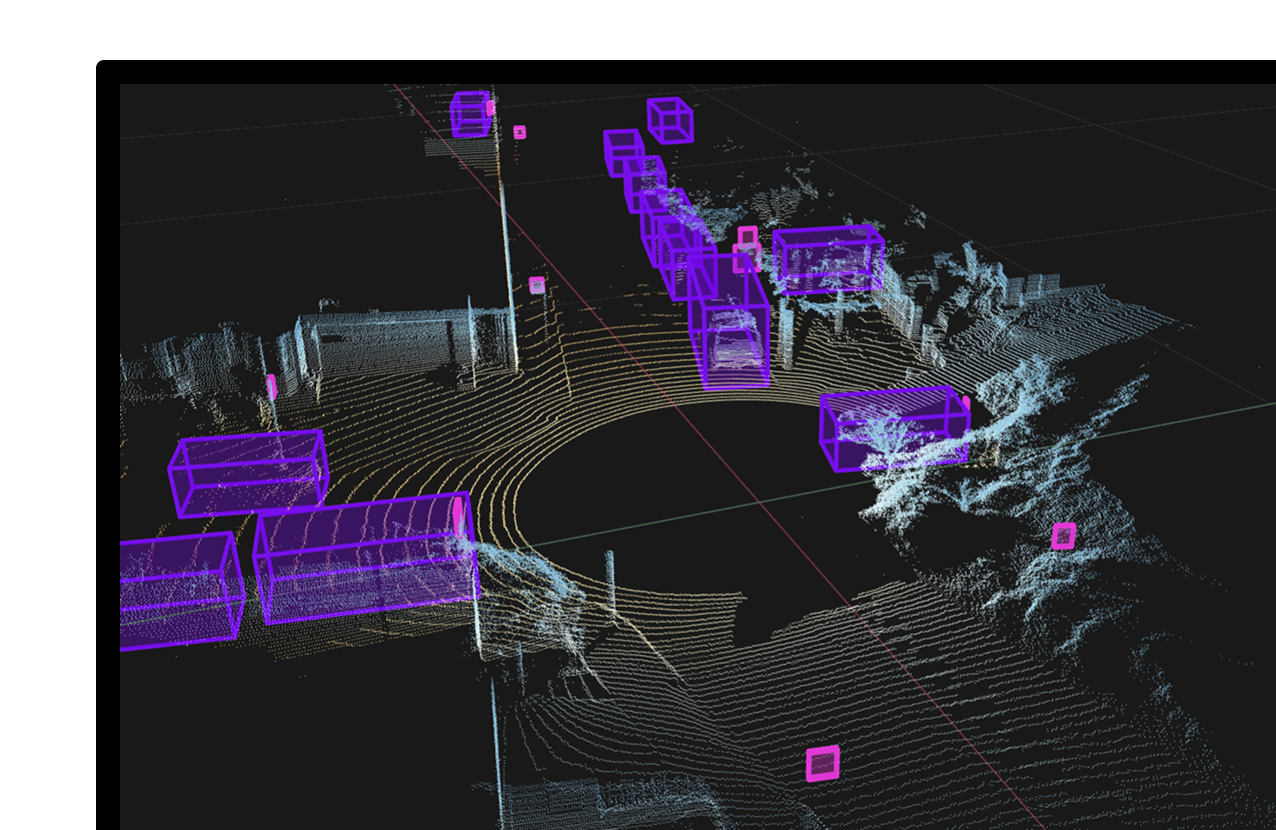
Search petabyte-scale data for the longtail
As datasets grow, standard scenarios yield diminishing returns, making longtail investigations the primary driver of model performance. Voxel51 makes massive datasets searchable, so autonomous vehicle teams can surface rare edge cases, isolate anomalies, and fix systemic failures.
Production Ready
Enterprise-grade physical AI data platform
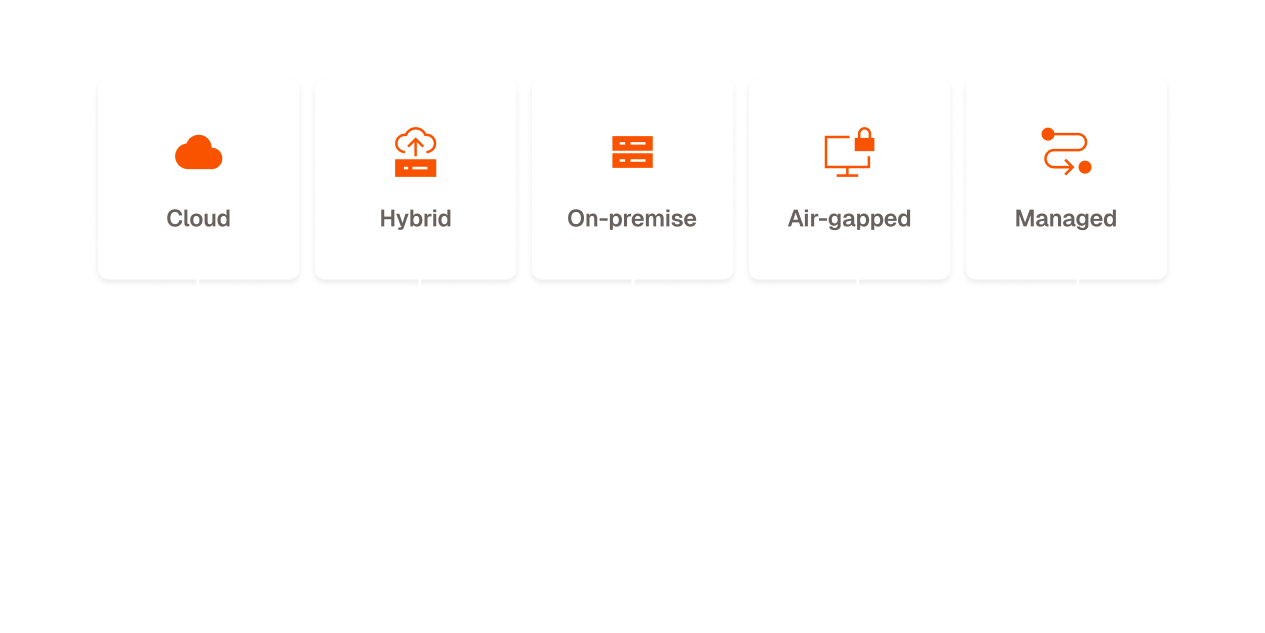
Deploy in your own VPC or on-premise, with role-based access control, and team collaboration for enterprise data governance.
Deploy anywhere
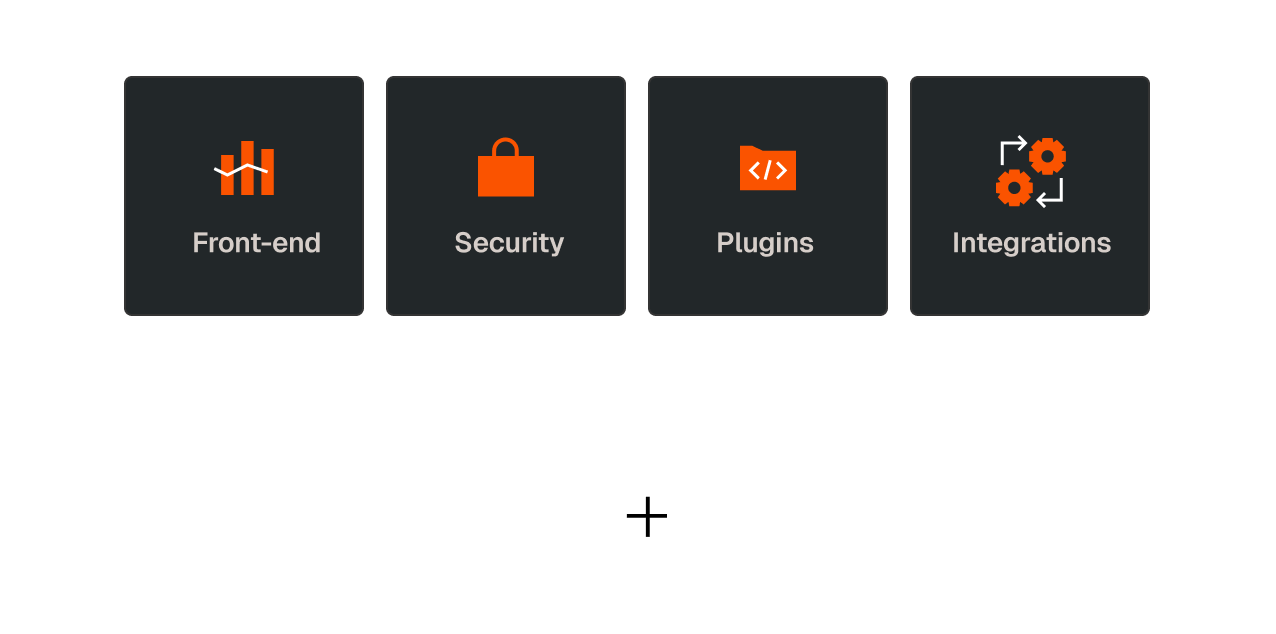
Fully customizable and extensible
Supports billions of samples
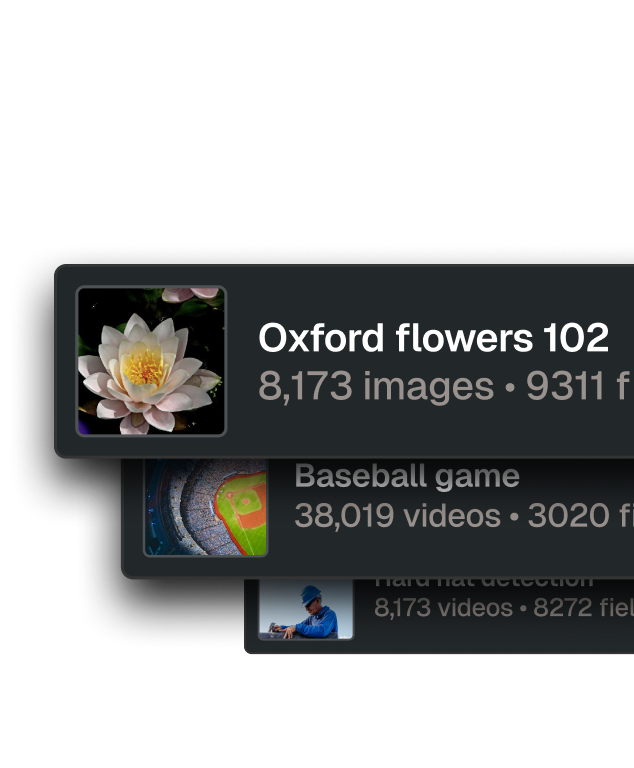
Dataset versioning
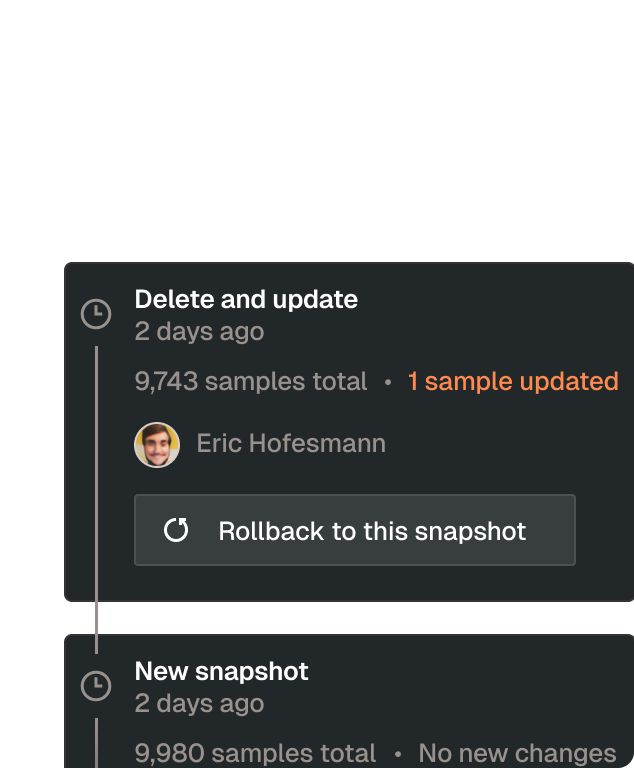
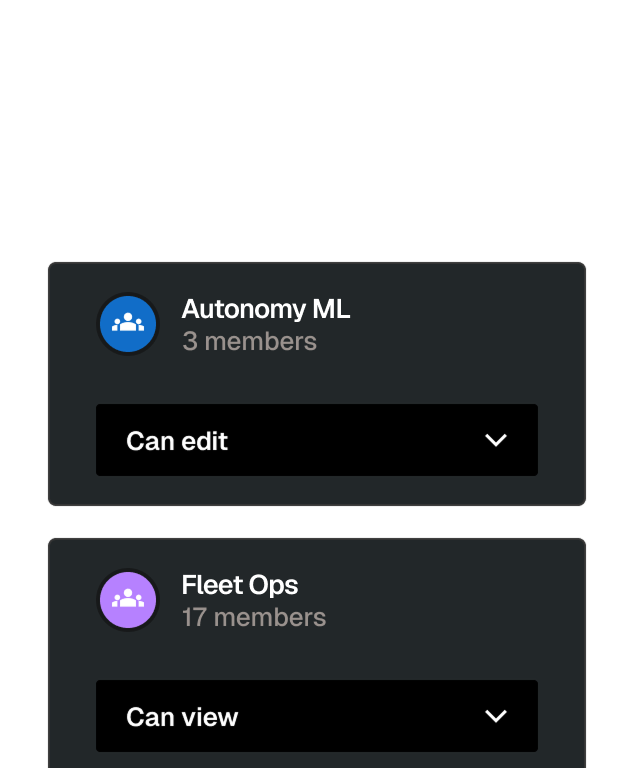
Role-based access controls
Integrations
Questions?
We have answers.
Yes, Voxel51 supports multimodal data. Voxel51 is a unified data platform for physical AI that brings visualization, curation, and annotation of multimodal, time-series data into one place. Teams inspect synchronized camera, LiDAR, sensor, and robot state data, then search and curate it at scale to build better datasets for autonomous vehicles and robotics.
Voxel51 natively ingests LeRobot and MCAP, the default recording format for ROS 2, and works with data converted from rosbag. You can also bring your own extracted frames and post-processed sensor data.
Camera streams, LiDAR point clouds, and numeric time-series sensors like IMU, acceleration, and CAN bus signals, along with robot state, all play back in sync on a single shared timeline. Every modality stays aligned, so you can inspect a complete episode in context rather than one sensor at a time.
Yes. You can tag arbitrary time intervals to curate segments for investigation, work with 2D bounding box and 3D cuboid labels at the message level, and view labels as tracks over time. Label tracks show exactly when an object appears or an event occurs across a full scene.
© 2026 Voxel51 All Rights Reserved