


All guides
How autonomous vehicle data is collected, why the long tail decides safety, and how AV teams find rare scenarios and build training data from fleet logs.
What data curation is and how to do it for images, video, and robot episodes: integrity checks, near-duplicates, balance, label errors, and training subsets.
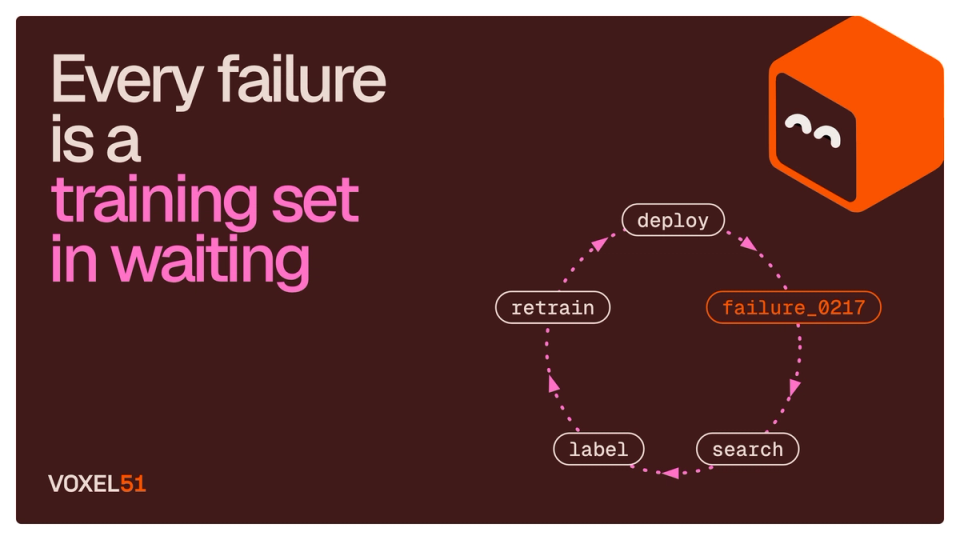
How a data flywheel turns deployed failures into the next training set: finding failures, choosing what to label next, retraining, and checking the fix.
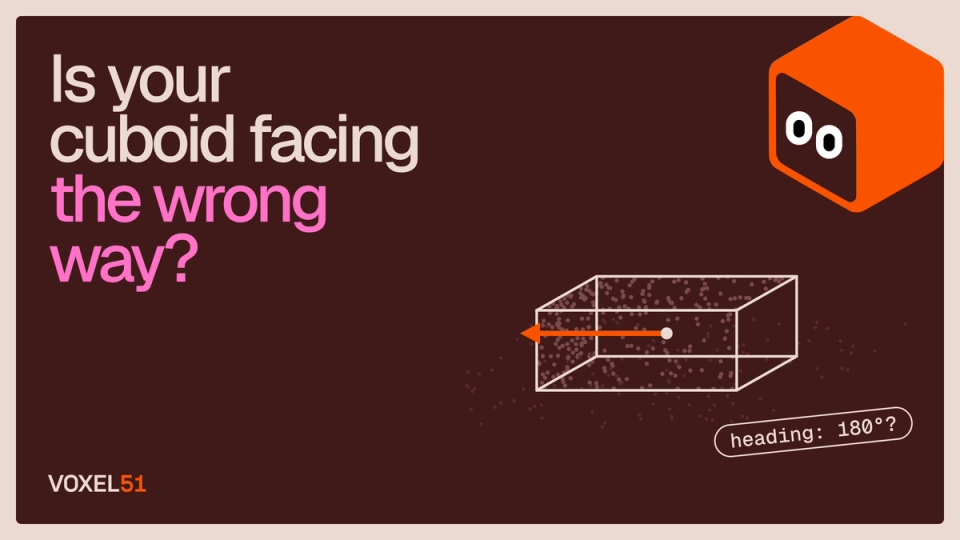
LiDAR annotation labels point clouds with 3D cuboids, tracks, and per-point classes. Learn the label types, the workflow, quality checks, and sensor fusion.
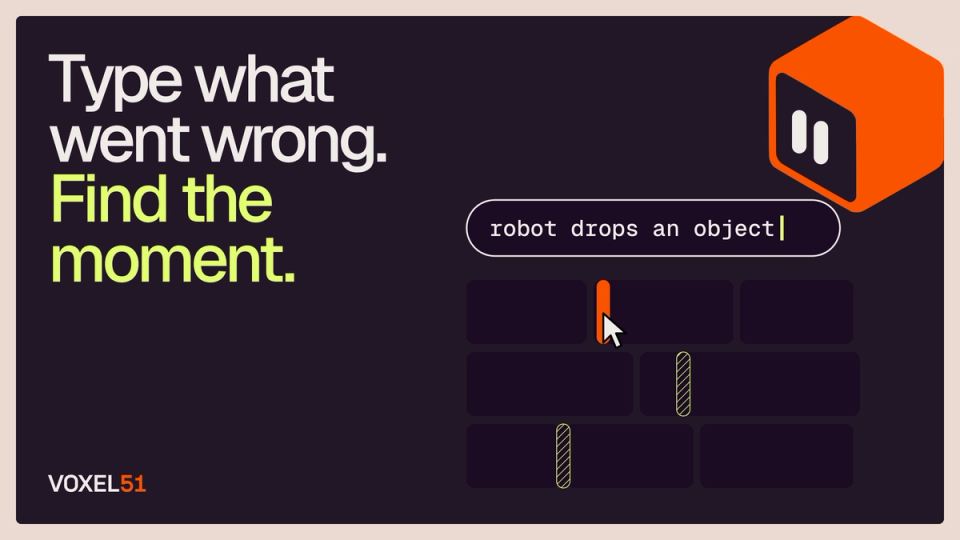
How to search robot logs, driving video, LiDAR, and sensor data by description, example, or event, and why segment-level search finds the moment.
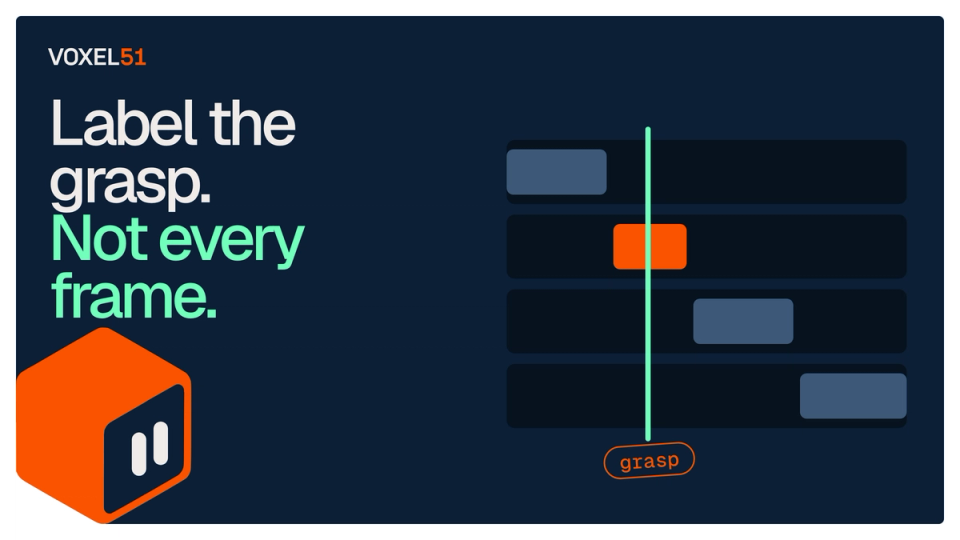
Robotics data annotation labels robot recordings for perception models and policies. What to label, how to label robot episodes, and which tools do it.
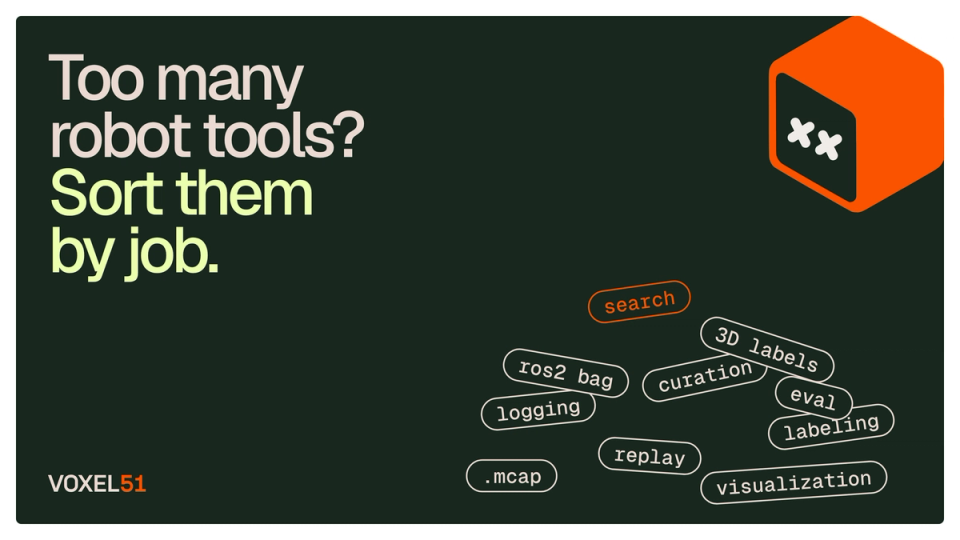
Compare robotics data tools by job: Foxglove, Rerun, Roboto, Encord, Lightly, and Voxel51 for logging, replay, search, curation, labeling, and evaluation.
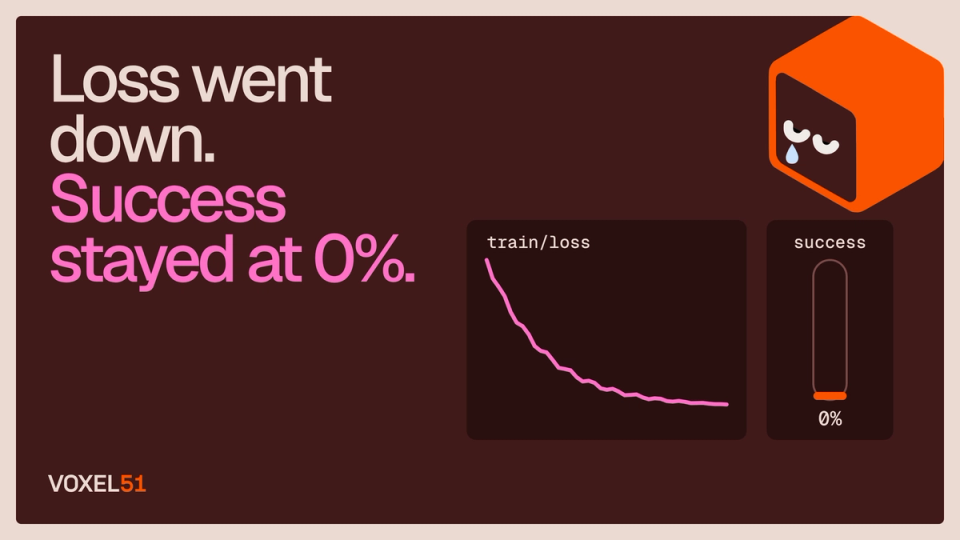
VLA fine-tuning guide: why a fine-tune gets 0% success while the loss looks fine, plus the data checks and fixes for openpi and SmolVLA.
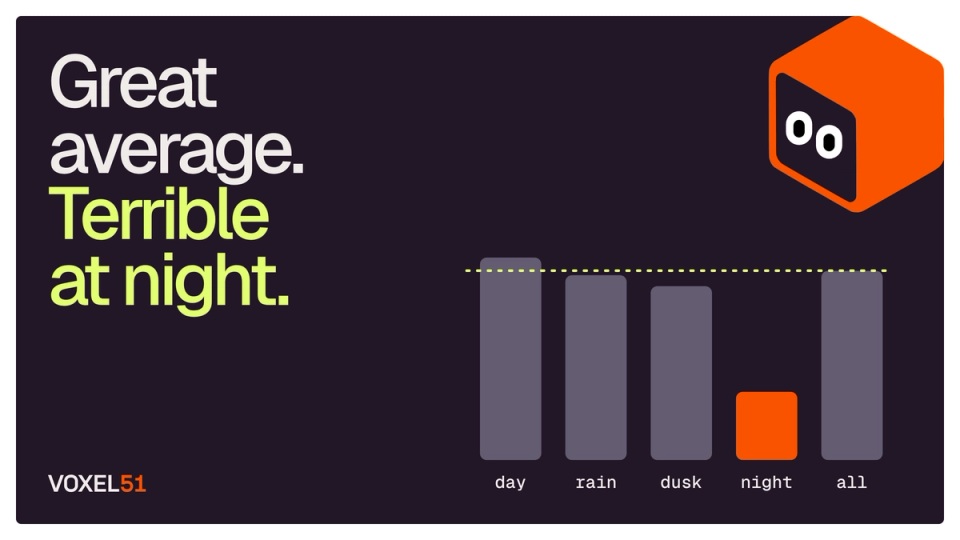
Model evaluation for visual and physical AI: pick the right metrics, find hidden failures with data slices, evaluate robot policies, and fix the data.
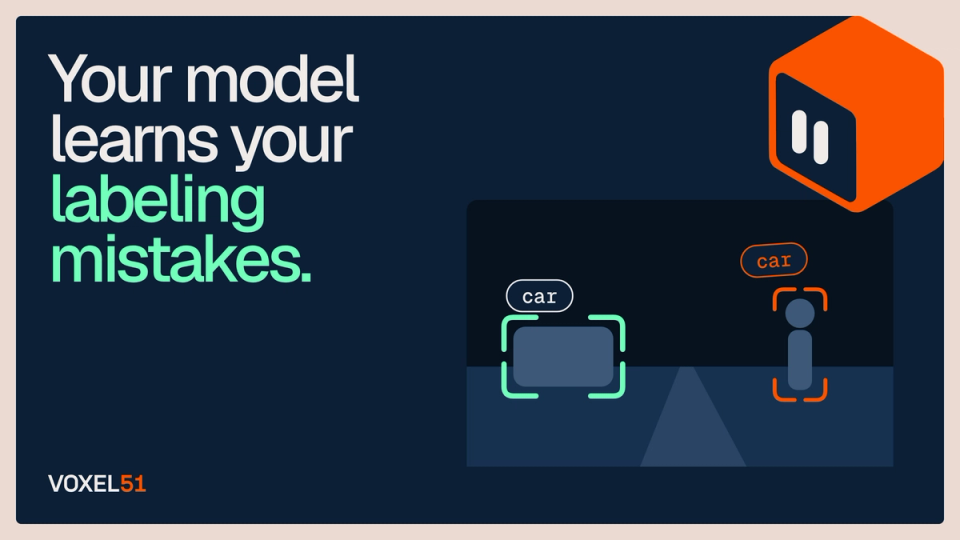
Data annotation adds labels to images, video, LiDAR, and robot episodes so models can learn. How teams design schemas, run QA, and automate labeling.

LeRobot is Hugging Face's open source library for robot learning. Learn how the LeRobotDataset v3.0 format works and how to curate data and train policies.

MCAP is the open container format for timestamped robotics data and the ROS 2 default. Learn how MCAP files work, how to open them, and how to curate them.